
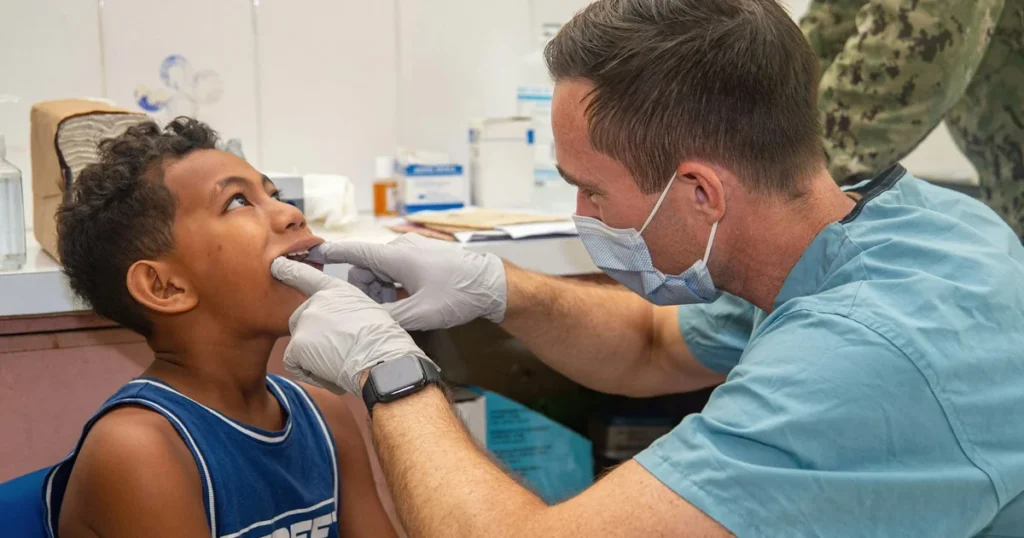
Children’s dentistry focuses on keeping children’s teeth, gums, and mouths healthy from infancy through adolescence. It includes routine dental check-ups, professional cleanings, preventive treatments, and care for common dental problems.
Good oral health starts before a child’s first tooth appears. Early dental visits help identify potential problems, support healthy tooth development, and teach children positive dental habits.
For parents exploring children’s dentistry in Maple, Ontario, understanding when to schedule appointments and which treatments children may need can make dental care easier to manage.
Why Children’s Dentistry Is Important
Children’s dentistry helps protect developing teeth, prevent tooth decay, and establish healthy oral hygiene habits. Regular dental care also allows dentists to monitor how a child’s teeth and jaws grow.
Baby teeth, also called primary teeth, serve several important purposes. They help children chew food, develop clear speech, and maintain space for permanent teeth.
Although baby teeth eventually fall out, they still need proper care. According to the Government of Canada’s oral health guidance for children, untreated tooth decay can cause pain, infection, and difficulties with eating, sleeping, and learning.
Children’s dental care provides several benefits:
- Early detection of cavities: Regular examinations help dentists identify tooth decay before it becomes more serious.
- Healthy dental development: Dentists monitor tooth eruption, jaw growth, and changes in the bite.
- Preventive protection: Fluoride treatments and dental sealants may help reduce the risk of cavities.
- Better oral hygiene habits: Children learn how to care for their teeth with guidance from dental professionals.
- Greater comfort with dental visits: Familiarity with the dental environment can help children feel more relaxed during appointments.
Consistent dental care during childhood can support healthier permanent teeth and encourage positive habits as children grow.
When to Schedule a Child’s First Dental Visit
Children should have their first dental visit within six months of their first tooth appearing or by their first birthday, whichever comes first.
This recommendation comes from the Canadian Dental Association’s guidance on a child’s first dental visit.
Many parents assume children only need dental appointments once they have a full set of baby teeth. However, tooth decay can begin as soon as the first tooth appears.
An early visit allows the dentist to examine developing teeth, identify potential concerns, and provide advice about feeding habits, brushing, and cavity prevention.
What Happens During a Child’s First Dental Appointment?
A first dental appointment is usually focused on a gentle examination and helping the child become familiar with the dental environment.
Depending on the child’s age and needs, the dentist may:
- Examine the teeth, gums, and surrounding oral tissues.
- Check how the teeth and jaws are developing.
- Look for early signs of tooth decay.
- Discuss feeding habits and oral hygiene routines.
- Explain appropriate brushing techniques and fluoride use.
- Recommend a schedule for future dental appointments.
At Salvador Family Dentistry, children’s appointments use a patient, child-friendly approach. The practice describes using a show-tell-do method, where dental instruments and procedures are explained before they are used.
Parents can help prepare children by talking positively about the appointment, explaining that the dentist will count and examine their teeth, and allowing them to bring a familiar comfort item.
How Often Should Children Visit the Dentist?
Many children benefit from dental check-ups approximately every six months. However, the appropriate schedule depends on their oral health, risk of cavities, and stage of dental development.
Children with frequent cavities, gum problems, or other dental concerns may require more regular monitoring.
Routine appointments also help identify areas that need additional brushing attention. Parents can learn more about routine dental check-ups and cleanings when planning preventive care for their family.
Common Dental Problems in Children
Children can experience several oral health problems as their teeth develop. Some conditions cause noticeable discomfort, while others may develop without obvious symptoms.
Recognising early warning signs can help parents seek dental care before problems become more serious.
Tooth Decay and Cavities
Tooth decay is one of the most common dental problems affecting children.
Cavities develop when bacteria in dental plaque use sugars from food and drinks to produce acids. These acids gradually damage the tooth’s protective enamel.
Possible signs of tooth decay include:
- White, chalky, or brown spots on teeth.
- Sensitivity to hot, cold, or sweet foods.
- Toothaches or discomfort when chewing.
- Visible holes or damaged areas on teeth.
Some cavities cause no pain at first. Regular dental examinations can help detect decay that parents may not notice at home.
Gum Inflammation
Children can develop red, swollen, or bleeding gums when plaque accumulates around their teeth.
Gingivitis is an early form of gum disease that can cause gum irritation and bleeding during brushing or flossing.
Consistent brushing, cleaning between teeth, and professional dental care can help manage plaque buildup.
If a child’s gums frequently bleed or remain swollen, a dental examination can help identify the cause.
Crooked Teeth and Bite Problems
As permanent teeth begin to appear, children may develop crowding, spacing concerns, or an uneven bite.
Some alignment changes improve naturally as the jaw develops. Others may require monitoring or an orthodontic assessment.
Regular dental visits allow the dentist to track these changes and recommend specialist care when appropriate.
Chipped, Broken, or Injured Teeth
Falls, playground activities, and sports can sometimes result in dental injuries.
A chipped or loose tooth should be examined by a dentist, even if the child is not experiencing severe pain.
If a baby tooth is knocked out, parents should contact a dentist promptly and should not attempt to reinsert it.
The Ontario Dental Association’s dental emergency guidance provides advice on managing tooth injuries while arranging professional care.
Preventive Dental Treatments for Children
Preventive dental treatments help protect teeth from decay and allow dental professionals to identify oral health concerns early.
The type of treatment recommended depends on the child’s age, dental development, and individual cavity risk.
Regular Dental Examinations and Cleanings
Dental examinations allow dentists to assess the health of children’s teeth and gums while monitoring changes as permanent teeth develop.
Professional cleanings remove plaque and hardened deposits that may be difficult to eliminate through daily brushing.
These appointments also provide an opportunity to review brushing techniques and discuss dietary habits.
Fluoride Treatments
Fluoride is a mineral that helps strengthen tooth enamel and makes teeth more resistant to decay.
Dentists may recommend topical fluoride treatments for children who would benefit from additional cavity protection.
The Canadian Dental Association’s position on fluoride supports its appropriate use in preventive dental care.
The need for professional fluoride treatment should be determined through an individual dental assessment.
Dental Sealants
Dental sealants are thin protective coatings applied to the chewing surfaces of back teeth.
Molars contain grooves where food particles and bacteria can collect. Sealants create a barrier over these areas, making them easier to keep clean.
Dentists often recommend sealants when permanent molars begin to appear, particularly for children at increased risk of cavities.
Sealants do not replace brushing or flossing. They provide additional protection alongside regular oral hygiene.
Dental Fillings
When a cavity develops, a dental filling may be needed to restore the affected tooth.
The dentist removes the decayed tooth material and fills the damaged area with a suitable restorative material.
Treating cavities in baby teeth can help prevent pain, infection, and premature tooth loss.
Salvador Family Dentistry provides children’s dental examinations, cleanings, fluoride treatments, sealants, and tooth-coloured fillings at its Maple clinic. Treatment recommendations are based on the child’s individual needs.
Teaching Children Good Oral Hygiene Habits
Healthy oral hygiene habits begin at home. Parents and caregivers play an active role in helping children brush properly, clean between their teeth, and make tooth-friendly food choices.
Young children need hands-on help with brushing because they may not have the coordination to clean every tooth surface effectively.
Establish a Daily Brushing Routine
Children should brush their teeth twice daily, including before bedtime.
Use a soft-bristled toothbrush suitable for the child’s age and mouth size.
The Canadian Dental Association’s guidance on cleaning children’s teeth recommends age-appropriate fluoride toothpaste use.
| Age | Recommended oral care |
| Before the first tooth | Gently clean the gums using a soft, damp cloth. |
| Under 3 years | Brush with water unless a dental professional recommends fluoride toothpaste based on cavity risk. If recommended, use a rice-grain-sized amount. |
| 3 to 6 years | Help the child brush twice daily with a pea-sized amount of fluoride toothpaste. |
| 7 years and older | Encourage independent brushing while continuing supervision or assistance as needed. |
Children should be taught to spit out excess toothpaste rather than swallow it.
Introduce Flossing Early
Flossing helps remove plaque and food particles from areas that toothbrushes cannot reach.
Parents should begin cleaning between their child’s teeth when neighbouring teeth touch.
Young children generally need help flossing until they develop the coordination to do it correctly.
Encourage Tooth-Friendly Eating Habits
Frequent sugary snacks and drinks increase the risk of tooth decay.
Parents can support healthier teeth by:
- Encouraging water between meals.
- Limiting sugary drinks and frequent snacking.
- Offering balanced meals and nutritious snacks.
- Avoiding putting children to bed with bottles containing sugary drinks or milk.
- Encouraging children to rinse their mouths with water after meals when brushing is not possible.
Reducing how often teeth are exposed to sugar can help lower cavity risk.
Make Brushing Enjoyable
Children are more likely to maintain healthy habits when oral care becomes a familiar part of their daily routine.
Parents can make brushing more engaging by using a two-minute timer, playing a favourite song, or allowing children to choose an age-appropriate toothbrush.
Brushing together can also help children learn by watching adults demonstrate good technique.
Positive encouragement and consistent routines can make dental care feel like a normal part of everyday life.
Frequently Asked Questions About Children’s Dentistry
When should a child first visit a dentist?
A child should visit a dentist within six months of their first tooth appearing or by their first birthday, whichever comes first. Early dental visits help identify potential problems, assess cavity risk, and establish appropriate oral hygiene habits.
How often should children get checkups?
Most children benefit from dental check-ups approximately every six months. However, children with a higher risk of cavities or specific dental concerns may need more frequent appointments. A dentist can recommend a suitable schedule based on their individual needs.
Why are baby teeth important?
Baby teeth help children chew, speak clearly, and maintain space for permanent teeth. Keeping them healthy also reduces the risk of pain and infection. Losing baby teeth too early may affect how permanent teeth emerge.
Are dental X-rays safe for children?
Dental X-rays can be used safely when they are clinically necessary and appropriate radiation protection measures are followed. Dentists use them to identify problems that may not be visible during an examination.
According to Health Canada’s dental X-ray safety guidance, X-rays should be recommended based on clinical need rather than performed automatically at every appointment.
What should you do about a child’s toothache?
Contact a dentist promptly if your child develops a toothache, especially if the pain is severe or persistent. Until the appointment, gently clean around the affected tooth and apply a cold compress to the outside of the cheek if swelling occurs.
Avoid placing aspirin directly on the tooth or gums. Facial swelling, fever, or signs of infection require urgent assessment. Difficulty breathing requires emergency medical attention.
Parents in Maple can enquire about emergency dental care when a child experiences an urgent dental problem.
Support Your Child’s Dental Health With Regular Care
Children’s dentistry plays an important role in protecting developing teeth, preventing cavities, and encouraging healthy oral hygiene habits.
Starting dental visits early, maintaining consistent brushing routines, and following personalised preventive recommendations can help children develop healthier teeth as they grow.
For families in Maple and Vaughan, Salvador Family Dentistry offers children’s dental care with an emphasis on patient comfort, preventive treatment, and age-appropriate guidance.
Ready to support your child’s oral health? Request a children’s dental appointment to discuss preventive care, address dental concerns, and help your child build healthy habits for the years ahead.