
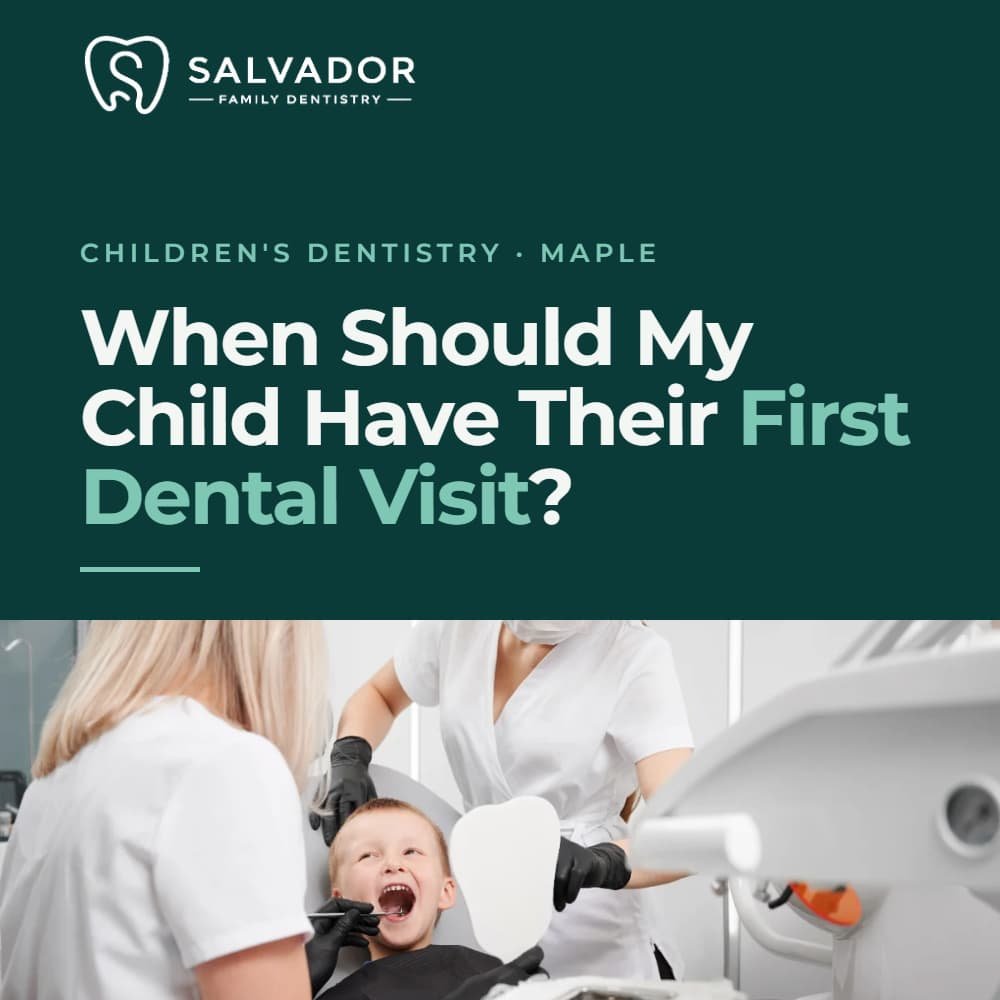
When should a child see a dentist for the first time? The Canadian Dental Association recommends arranging an assessment soon after the first tooth appears or by the child’s first birthday, whichever comes first. This early appointment is worthwhile even if the child’s teeth look healthy and there are no signs of pain or tooth decay.
During the visit, the dentist can examine the child’s baby teeth, gums, bite and oral development. Parents can also receive practical guidance about brushing, fluoride, feeding habits and cavity prevention. Starting children’s dental care early helps make the dental office feel familiar and can establish more positive experiences. Parents should contact a dentist sooner if their child develops pain, swelling, tooth discolouration, dental trauma or another oral health concern.
Why Should a Child See a Dentist Early?
Children should see a dentist early because dental problems can begin shortly after the first tooth erupts. Preventive visits allow the dentist to monitor oral development, check for early signs of tooth decay and help parents establish an appropriate home-care routine.
According to the Government of Canada’s guidance on children’s oral health, cavities can develop as soon as a child’s first tooth appears. A first visit should ideally happen before pain or another problem develops.
Benefits of early dental visits include:
- Monitoring baby teeth as they erupt
- Examining the gums and other oral tissues
- Identifying early signs of tooth decay
- Reviewing brushing and oral hygiene
- Providing age-appropriate fluoride guidance
- Discussing diet, drinks and snacking habits
- Reviewing bottle and nighttime feeding habits
- Monitoring pacifier use or thumb-sucking
- Identifying potential developmental concerns
- Helping the child become familiar with the dental office
- Establishing an ongoing dental-care routine
Baby teeth are temporary, but they have several important functions. They help children chew, support speech development and maintain space for permanent teeth. They also help guide developing adult teeth towards their expected positions.
Severe decay or the early loss of a baby tooth may affect eating and the space available for a permanent tooth. Early care helps parents understand how to protect these teeth until they are naturally replaced.
Families can establish a consistent dental home through family dentistry in Maple, Ontario with a general dentist. This allows the dental team to monitor their child’s oral health and development over time.
What Happens When a Child Sees a Dentist for the First Time?
A child’s first dental visit is generally a short, gentle appointment focused on checking oral health and helping the child feel comfortable. What happens can vary according to the child’s age, development, dental needs and willingness to participate.
Getting comfortable
The dental team may begin by introducing themselves and allowing the child to become familiar with the room. They may show the child some equipment and explain the appointment using simple, age-appropriate language.
An infant or toddler may remain with a parent throughout the examination. The dental team can adjust the pace based on the child’s comfort and immediate oral health needs.
Oral examination
Depending on the child’s age and cooperation, the dentist may examine:
- Erupted baby teeth
- Gums and other oral tissues
- Signs of tooth decay
- Tooth eruption
- The child’s bite
- Jaw development
- Tooth position
- Signs of dental injury or infection
Dental X-rays are not automatically needed at every first appointment. The dentist decides whether imaging is appropriate based on the child’s age, symptoms, dental history and examination findings.
Discussion with parents
Parents can use the first appointment to ask questions about:
- Cleaning the child’s teeth and gums
- Fluoride toothpaste
- Fluoride varnish
- Diet and snacks
- Bottle or breastfeeding habits
- Teething
- Thumb-sucking and pacifier use
- Dental injury prevention
- What to do during a dental emergency
- The timing of future appointments
Bringing a short list of questions can help parents make the most of the visit.
Preventive recommendations
The dentist may recommend brushing changes, fluoride treatment, dietary adjustments or other preventive measures. These recommendations should be based on the child’s age, oral health and cavity risk.
Parents can learn more about early dental appointments and preventive care from a general dentist providing children’s dentistry in Maple, ON.
Future appointment planning
At the end of the visit, the dentist can recommend when the child should return. The schedule may vary depending on oral health, development, cavity risk and any concerns identified during the examination.
How Can Parents Prepare a Child for Their First Dental Visit?
Parents can prepare a child by using simple, positive language and presenting the appointment as a normal part of staying healthy. Avoid giving too many details or using words that could cause the child to become anxious before arriving.
Before the appointment
The following strategies may help:
- Explain that the dentist will look at and count the child’s teeth
- Use calm and neutral language
- Read a children’s book about visiting the dentist
- Practise opening the mouth and counting teeth at home
- Choose a time when the child is normally rested
- Avoid scheduling during a usual nap or mealtime when possible
- Bring a familiar comfort item if appropriate
- Complete paperwork before arriving when available
- Tell the dental team about sensory or developmental needs
- Discuss specific dental concerns with the practice in advance
What parents should avoid
Avoid words such as “hurt,” “needle,” “drill” or “pain.” Even well-intended statements such as “nothing will hurt” or “do not be scared” can introduce concerns that the child had not considered.
Parents should also avoid using dental visits as a threat or punishment. Allow the dental team to describe equipment and procedures using child-friendly explanations.
How can I prepare my child for their first dentist visit?
Tell your child that the dentist will look at their smile and count their teeth. Keep the explanation short and positive. Practising at home can make the activity feel familiar. If your child is especially nervous, inform the dental team before the appointment so they can prepare a patient, child-friendly approach.
The Canadian Dental Association’s guidance for a child’s first visit similarly recommends explaining what will happen without adding potentially worrying phrases such as “it won’t hurt.”
How Often Should a Child See a Dentist?
Children should receive regular dental checkups according to their dentist’s recommendations. Although regular examinations are common, no single schedule is suitable for every child. Visit frequency depends on the child’s age, oral health, cavity risk and developmental needs.
Regular appointments may involve:
- Examination of the teeth and gums
- Monitoring tooth eruption and jaw development
- Professional cleaning when appropriate
- Oral hygiene guidance
- Review of diet and cavity risk
- Fluoride treatment when recommended
- Dental sealants for appropriate teeth
- Follow-up care for existing concerns
Some children may need more frequent appointments because of:
- Previous or active tooth decay
- Higher cavity risk
- Enamel defects
- Difficulty maintaining oral hygiene
- Certain feeding or dietary patterns
- Ongoing thumb-sucking or pacifier use
- Bite or alignment concerns
- Previous dental injuries
- Other individual dental needs
The Canadian Dental Association notes that regular examinations may help identify small problems early in many children. However, a dentist may recommend more or less frequent care based on the individual child.
Parents can arrange ongoing routine check-ups and cleanings in Maple, ON to monitor their child’s teeth and oral development.
What Are Common Dental Problems in Children?
Common dental concerns in children include tooth decay, sensitivity, dental injuries, enamel defects and problems involving tooth eruption or bite development. Some conditions may not initially cause visible symptoms, which is one reason regular dental visits are important.
Tooth decay
Cavities can begin after the first tooth erupts. Early childhood tooth decay may initially appear as white or chalky areas near the gumline. Brown or dark spots, visible holes and discomfort may develop as the decay progresses.
Parents should not assume a cavity in a baby tooth can be ignored because the tooth will eventually fall out. Untreated decay can lead to pain, infection, difficulty eating and disrupted sleep.
Tooth sensitivity
Sensitivity may be caused by tooth decay, an enamel defect, dental trauma or another condition. Persistent sensitivity should be evaluated, particularly when it interferes with eating or drinking.
Dental trauma
Falls, sports and everyday accidents can chip, loosen or knock out teeth. Contact a dentist after a significant injury, even when the damage initially appears minor.
Management differs for baby and permanent teeth. Parents should not attempt to reinsert a knocked-out baby tooth unless directed by a qualified dental professional.
Tooth-eruption concerns
Every child develops at a different pace, and teeth do not always erupt according to an exact timetable. A dentist can evaluate delayed or unusual eruption and determine whether monitoring or further assessment is appropriate.
Thumb-sucking and pacifier use
Sucking is normal during infancy and can help babies feel calm. Continued thumb-sucking or pacifier use as permanent teeth begin to erupt may influence bite development. A dentist can provide age-appropriate guidance without embarrassing the child.
Signs parents should watch for
Contact a dentist if your child has:
- Persistent toothache
- White, brown or dark spots on the teeth
- A visible cavity
- Swollen, red or tender gums
- Facial swelling
- Unusual tooth discolouration
- Difficulty chewing
- Persistent sensitivity
- A broken, chipped or loose tooth
- Bleeding or unexplained changes in the mouth
Do not wait for the next routine appointment if a child is experiencing dental pain, swelling, injury or possible infection.
How Can Parents Make Dental Visits Less Stressful?
Parents can make dental visits easier by remaining calm, keeping explanations simple and treating appointments as a routine part of healthcare. Early and regular visits can make the dental environment feel more familiar and predictable.
Helpful strategies include:
- Start dental visits early
- Keep explanations brief
- Use positive or neutral language
- Avoid using dental care as a punishment
- Do not share frightening dental stories
- Allow the dental team to explain procedures
- Praise the child’s effort and cooperation
- Bring a comfort item when appropriate
- Choose an appointment time suited to the child’s routine
- Tell the practice about anxiety or individual needs
- Maintain regular visits to build familiarity
Children can notice their parents’ emotions. Calm speech and relaxed body language may help the child feel more secure. Parents who experience significant dental anxiety can discuss their concerns privately with the dental team before the visit.
A general dental practice experienced in children’s dentistry in Maple can adjust the language, pace, and approach to suit each child’s age and comfort level.
When Should Parents Contact a Dentist Before the First Routine Visit?
Parents should contact a dentist before the planned first visit if their child develops persistent pain, swelling, dental trauma, tooth discolouration or difficulty eating. Oral health concerns should be assessed regardless of the child’s age.
Contact a dentist promptly if a child has:
- Persistent or severe tooth pain
- Swelling around a tooth or the gums
- Facial swelling
- A suspected dental abscess
- A broken or chipped tooth
- A knocked-out or significantly loosened tooth
- Persistent sensitivity
- Difficulty eating because of dental discomfort
- Unusual tooth discolouration
- Fever occurring with dental pain or swelling
Significant facial or neck swelling, rapidly increasing swelling, or difficulty breathing or swallowing may indicate an emergency. Call 911 or seek immediate medical attention rather than waiting for a routine appointment.
Begin Your Child’s Dental Care with a Positive First Visit
Children should generally see a dentist soon after the first tooth appears or by their first birthday. This appointment is beneficial even when the child’s teeth appear healthy because it allows the dentist to monitor development, discuss preventive care and introduce the child to the dental environment.
If your child’s first visit has been delayed, there is no reason to feel guilty. The most helpful next step is to arrange an appointment now and begin an appropriate routine.
Parents preparing for their child’s first dental visit can contact a general dentist providing children’s dentistry in Maple, ON to schedule a gentle assessment and discuss their child’s oral health. Contact the practice sooner if your child experiences pain, swelling, dental trauma, or another concerning symptom.
Frequently Asked Questions
When Should a Child See a Dentist for the First Time?
A child should generally see a dentist soon after the first tooth appears or by their first birthday, whichever comes first. The visit allows the dentist to check early oral development, identify possible concerns and give parents preventive guidance. Contact a dentist sooner if the child develops pain, swelling, dental trauma or unusual oral changes.
When Should a Child See a Dentist if They Have No Teeth Problems?
A child should still see a dentist by their first birthday or soon after the first tooth erupts, even when no problems are visible. Early tooth decay and developmental concerns may not be easy for parents to identify. Preventive visits also provide guidance about brushing, fluoride, feeding habits and protecting baby teeth.
When Should a Child See a Dentist for a Toothache?
A child with persistent, recurring or severe tooth pain should be evaluated promptly rather than waiting for the next routine visit. Contact a dentist urgently when pain is accompanied by gum swelling, facial swelling, fever, drainage or difficulty eating. Difficulty breathing or swallowing and rapidly increasing swelling require emergency medical attention.
When Should a Child See a Dentist for Their First Checkup?
A child’s first dental checkup should generally take place soon after the first tooth appears or by the first birthday. The dentist can examine the teeth and gums, review home care and discuss future visits. The first appointment may be brief, particularly for an infant or toddler.
When Should a Child See a Dentist for Preventive Care?
Preventive dental care should begin when the first tooth erupts and continue through regular appointments based on the dentist’s recommendations. Visits may include examinations, cleaning when appropriate, fluoride guidance, cavity-risk assessment and monitoring of dental development. The appropriate schedule depends on the child’s age, oral health and individual needs.
References
- Canadian Dental Association. Your Child’s First Visit. Accessed August 21, 2026.
- Government of Canada. Oral Health for Children. Updated June 11, 2026. Accessed August 21, 2026.
- Government of Canada. Fluoride and Oral Health. Accessed August 21, 2026.
- Canadian Dental Association. Infant and Toddler Oral Care. Accessed August 21, 2026.
Disclaimer: This article provides general educational information and does not replace individualized dental or medical advice. Recommendations may vary according to a child’s age, development, oral health and jurisdiction. Consult a qualified dental professional about your child’s needs and seek emergency medical care for potentially life-threatening symptoms.